How to Budget Your Personal Finances When Income Changes Every Month
From Moolah Habits · Financial coaching experience and credentials
Build a household budget for irregular income by planning essential costs, checking payment timing, and giving stronger months a purpose.

The Short Answer
Budget for irregular income by identifying essential household costs and checking when payments arrive. Give stronger months a purpose by preparing for leaner months and future expenses instead of treating every deposit as available spending money.
A monthly budget can feel awkward when your income does not arrive in neat, predictable amounts. Commission, freelance work, seasonal hours, and owner pay can all make one month look very different from the next.
You can still make a plan. Start with what the household needs and when the money is likely to arrive, then make room for the uncertainty.
Know the Cost of an Ordinary Month
List essential housing, food, utilities, transportation, insurance, and required debt payments. Add a realistic allowance for predictable costs that do not happen monthly.
Separate your household income from business revenue if you are self-employed. Customer deposits may still need to cover business expenses and taxes. The amount entering the business account is not automatically money available at home.
Use Your Income History Carefully
Review enough months to see both stronger and weaker periods. An average helps you understand the year, but it does not guarantee enough cash next Tuesday. Avoid building regular commitments around your best month.
Suppose your essential household spending is $3,200, and recent take-home income ranges from $2,800 to $4,500. The lower month leaves a $400 gap. Knowing that now lets you decide whether higher months can cover it or whether the regular costs need to change.
Plan by Payment Date as Well as Amount
Write down bills and expected income week by week. Keep uncertain payments separate from confirmed ones. If the rent is due before a large payment arrives, the monthly total can look fine while the timing still causes a problem.
When possible, discuss a different due date with the provider before you are late. Keep checking actual deposits against the plan rather than assuming an invoice or scheduled shift will pay exactly when expected.
Give Stronger Months a Job
Before spending the extra from a better month, look at the next few weeks and any known slow period. You may need some of that money to smooth household income. Planned reserves for a predictable seasonal gap serve a different purpose from savings for an unexpected emergency.
If the year as a whole does not cover the essentials, moving money between months cannot close that gap. You need to revisit income, costs, or both.
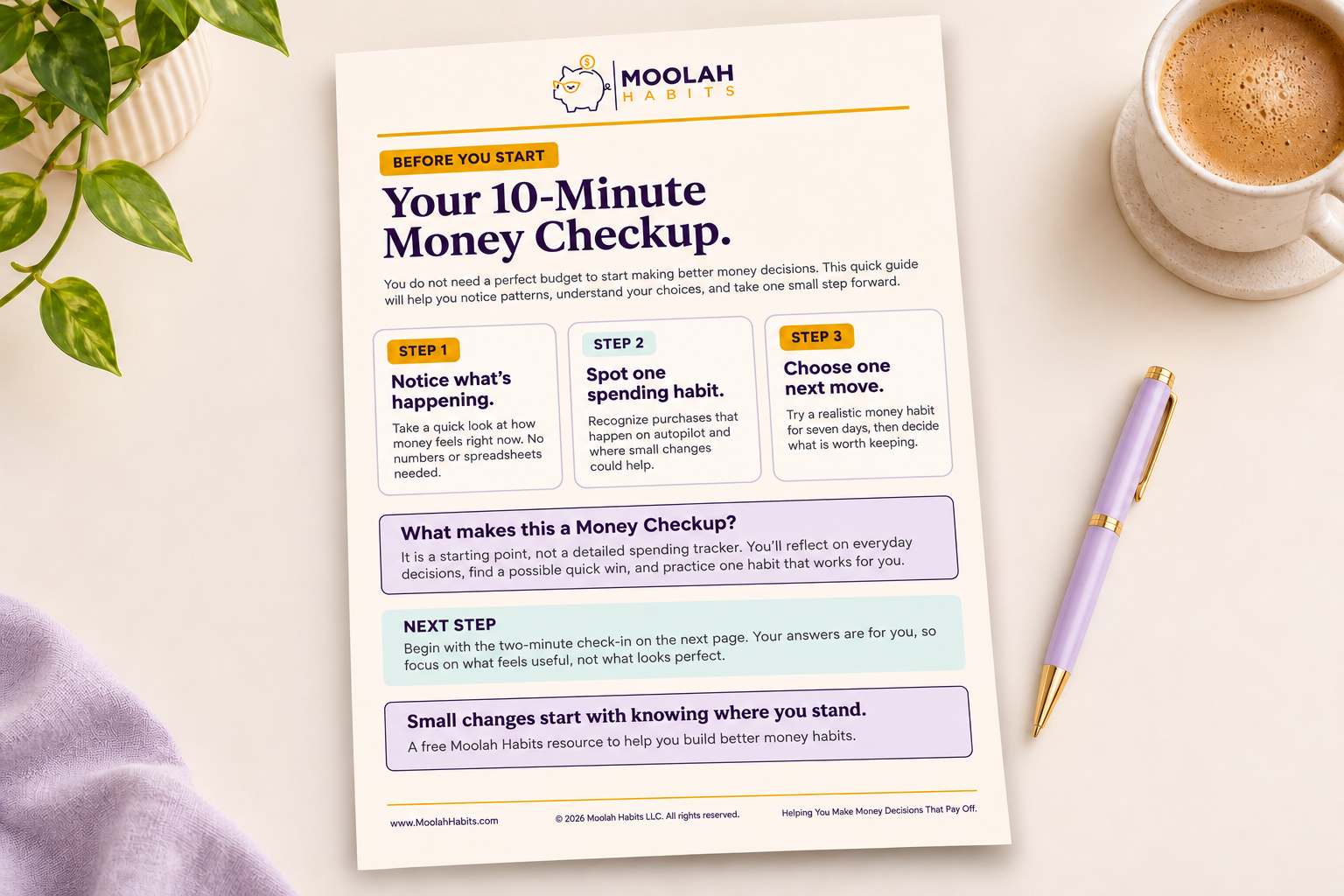
For a simple place to start, get the free 10-Minute Money Checkup using the form below. It helps you notice your money habits and choose one small next step.