Can We Afford It? A Better Personal Finance Question
From Moolah Habits · Financial coaching experience and credentials
A monthly payment fitting the budget is only part of the decision. Look at the full cost, the tradeoffs, and what the purchase changes about your other money goals.

The Short Answer
Before a large purchase, compare the full cost with your obligations, savings, and other goals. A payment fitting this month does not show whether maintenance, fees, or future expenses will leave enough breathing room.
The payment fits. That is usually the point where the shopping gets more interesting.
But fitting a payment into this month is only part of the decision. What will the purchase cost you over time, and what will you have less money available to do because of it? Those questions can change how a purchase feels.
Look at the Full Cost
Start with the price and add the expenses that come with owning or using it. A vehicle may bring different insurance costs, registration fees, fuel costs, and maintenance. A home project may need furniture, delivery, or additional work once the original job is finished.
If you are financing a purchase, review the interest rate, fees, repayment term, and total amount you will pay. A smaller monthly payment can come from stretching the obligation over a longer period. Check the full commitment before deciding the payment is comfortable.
Ask What the Money Is Already Doing
Money sitting in your account may already be intended for upcoming bills, an emergency reserve, or a goal you care about. Spending it means making a choice about those plans.
Suppose you have $300 a month available after your regular obligations and planned savings. A new $250 payment would leave $50 of that flexibility. That may be a choice you want to make. It helps to see the tradeoff before signing, rather than discovering it when the next expense arrives.
Try the Payment Before Taking It on
When the purchase can wait, practice setting aside the expected payment for a few months. Include reasonable estimates for additional costs.
Notice what happens. Can you keep up with your existing bills and goals? Do you repeatedly need to move that money back? The exercise gives you information about the proposed commitment and may help you build cash toward the purchase. It is a useful test, although it cannot predict every future change.
Make the Choice Together
For a shared household purchase, talk about what each person wants from it. One person may value convenience while the other wants to keep more cash available. Put both priorities on the table.
You might choose a lower price, save for longer, buy something different, or decide the original purchase matters enough to adjust another goal. A clear decision can include enjoying your money. It also includes understanding what you are committing to.
Give Yourself Permission to Pause
You do not have to decide during the sales conversation. Take the numbers home and see how they fit your life.
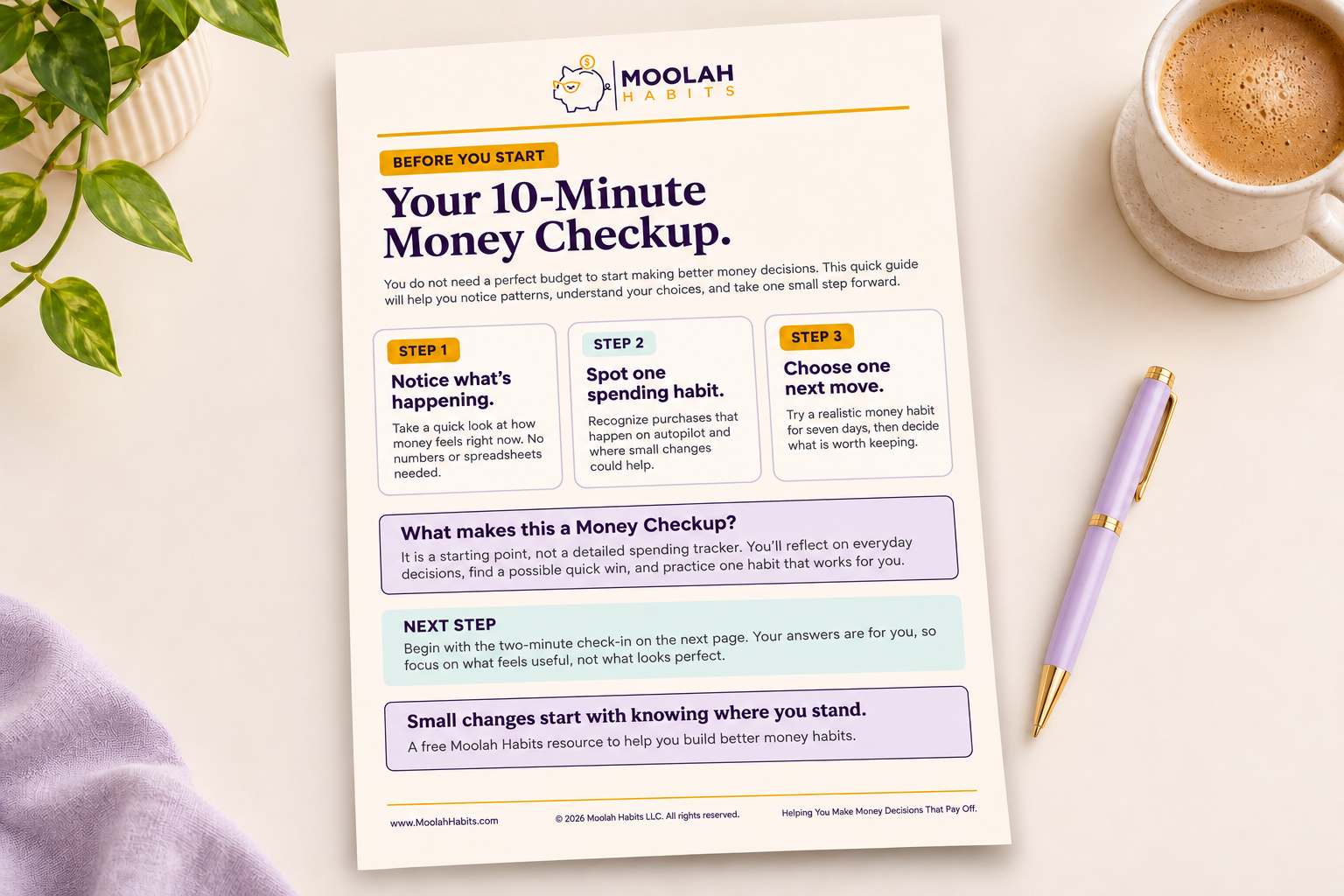
For a simple place to start, get the free 10-Minute Money Checkup using the form below. It helps you notice your money habits and choose one small next step.