The Personal Expenses You Forgot About Are Coming Back
From Moolah Habits · Financial coaching experience and credentials
Annual bills, school costs, birthdays, and holidays are easier to handle when they are part of the plan. Turn predictable personal expenses into manageable monthly targets.

The Short Answer
Predictable expenses that are not monthly still belong in your budget. List the cost and due date, then divide the amount by the months remaining so you can set money aside before the bill arrives.
School starts. The car registration renews. Someone has a birthday. Then the holidays arrive, apparently right on schedule.
These expenses can feel like surprises because they are missing from the monthly budget. But many of them are predictable enough to plan for, even when the exact amount changes.
Look Beyond a Typical Month
Review the past year of statements and look ahead at your calendar. Write down the costs that happen once or a few times a year. Think about annual subscriptions, school supplies, sports fees, gifts, travel, and routine vehicle maintenance.
You do not need a perfect list. Start with the expenses that regularly send you reaching for a credit card or pulling money from another goal. Add to the list when you remember something else.
Give Each Expense an Amount and a Date
For each item, estimate what you will need, when you will need it, and how much you have already saved. Divide the remaining amount by the number of months available.
If you expect to spend $600 on gifts in six months and have nothing set aside, the starting target is $100 a month. If you already have $180 saved, you need another $420, or $70 a month. Waiting until the month before would make the same purchase much harder to absorb.
Make Space Before Setting the Transfer
Those monthly amounts still have to fit your income. If the total is more than you can save, adjust the plan now. You could lower the gift budget, choose a less expensive trip, or delay an optional purchase.
For a bill you cannot reasonably reduce or postpone, work backward through the rest of your spending. Starting early gives you more time to make those choices. Setting an automatic transfer without checking the cash available could create a different problem.
Keep Planned Costs Easy to Identify
You can track the money in separate savings buckets or with a simple spreadsheet. These planned reserves are often called sinking funds. Use whatever method lets you see what each dollar is for, without creating a system you dread maintaining.
An emergency fund serves a different purpose: helping with unplanned financial shocks. Saving for an annual renewal means that bill can arrive without using the money you set aside for an emergency.
Take One Expense Off the Surprise List
Pick the next predictable cost on your calendar and make a plan for it this week. You can build out the rest over time.
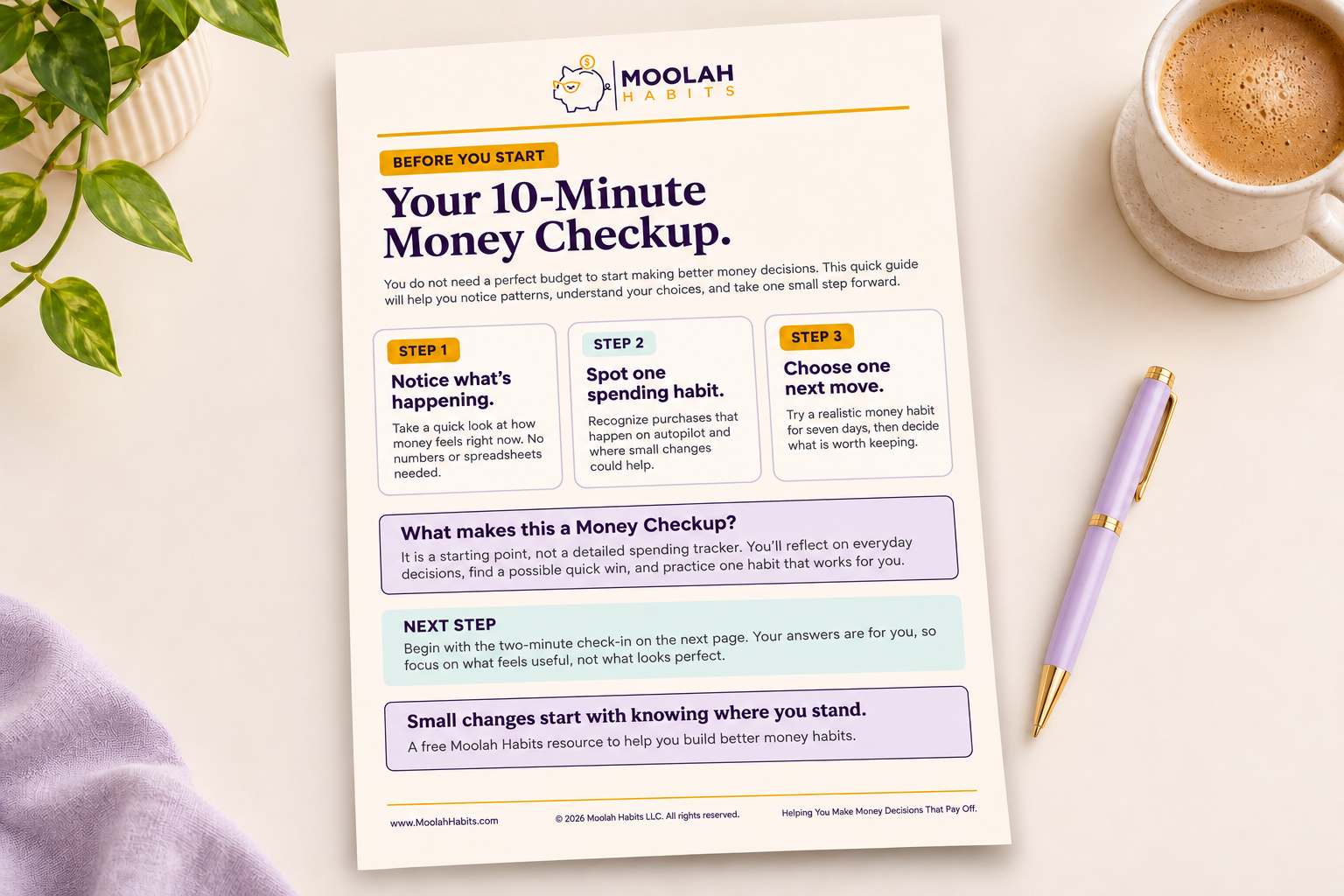
For a simple place to start, get the free 10-Minute Money Checkup using the form below. It helps you notice your money habits and choose one small next step.